World Wellness Weekend 2026: Sleep, Nutrition, Vitality, Serenity & Solidarity
Newsletter issue · 2026-09-18
The 10th annual World Wellness Weekend brought 190 countries together around five connected pillars. Wellness is not one habit — it is a system where sleep, movement, nutrition, stress regulation, and connection support each other.
By Wellness Lab.
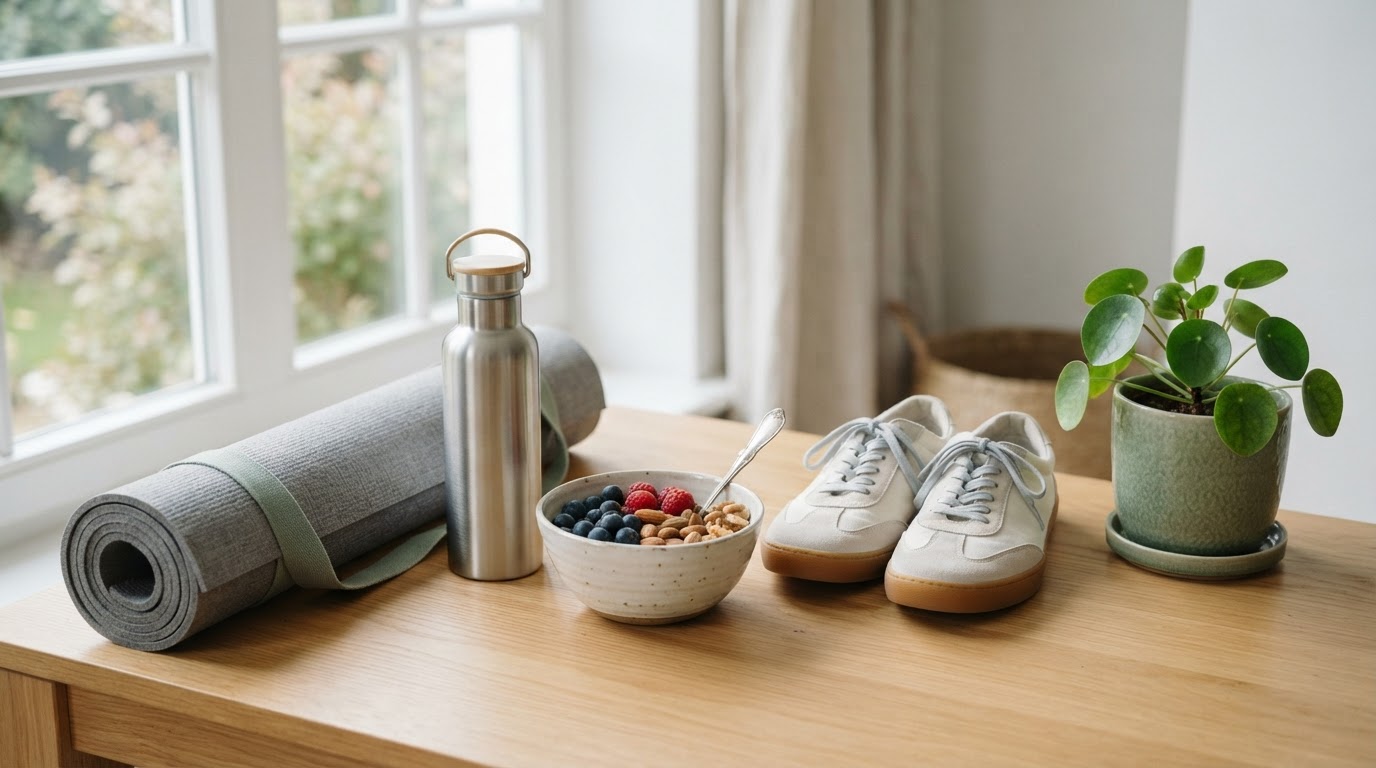
From September 18 through September 20, 2026, the 10th annual World Wellness Weekend brought people together across 190 countries around one shared goal: making wellness more active, accessible, and meaningful. The global event was organized around five pillars — sleep, nutrition, vitality, serenity, and solidarity. They may sound simple. Clinically, they are deeply connected, and the strongest wellness plan is the one in which these systems support each other consistently.
The five-pillar framework
Sleep, the recovery signal: sleep supports cognition, appetite regulation, immune function, training recovery, and metabolic health. Adults are generally advised to obtain at least seven hours, while sleep quality and regularity matter, too.
Nutrition, the input pattern: health is shaped by the overall dietary pattern, not one superfood. Build around minimally processed foods, plants, fiber-rich carbohydrates, quality protein, and unsaturated fats in a way that fits your clinical needs.
Vitality, the capacity builder: aerobic activity supports cardiovascular fitness, and resistance training protects strength, muscle, bone, and metabolic reserve. The target is not punishment — it is progressively building capacity.
Serenity, the regulation practice: a calm nervous system is not a personality trait. It can be practiced through breathing, time outdoors, mindfulness, boundaries, and recovery rituals that help your body shift out of constant demand.
Solidarity, the connection advantage: meaningful relationships and a sense of belonging support whole-person health. Connection can strengthen stress resilience, reinforce healthy behaviors, and add purpose to the routines we are trying to sustain.
Evidence into action: a practical clinical baseline
The evidence-based starting targets are familiar: at least seven hours of sleep in a 24-hour period for adults, 150 minutes of moderate aerobic activity weekly, and muscle-strengthening activity on at least two days per week targeting the major muscle groups, alongside aerobic movement.
These are population-level guidelines. Your safest and most useful starting point may differ based on health history, symptoms, medications, pregnancy, injury, or current fitness. A thoughtful plan adds doses of serenity and connection so the program supports real-life function and healthy aging, not just one metric.
A three-day reset to create momentum
A long weekend can be a chance to reduce friction and build momentum. On the first day, choose a realistic bedtime, plan one nourishing meal, and place the next day's movement on the calendar. On the second day, combine purposeful movement with time outdoors, hydration, protein, and a meaningful conversation.
On the third day, make it repeatable: keep the habits that improved how you felt, then decide exactly when they will happen again next week. The goal is not a perfect weekend — it is a small, connected set of choices that carry forward.
When healthy habits need clinical context
Wellness and medical care should inform each other. Persistent fatigue, sleep disruption, changing body composition, low motivation, reduced recovery, or difficulty progressing can reflect more than a need for discipline.
A complete review can bring symptoms, health history, medications, nutrition, movement, sleep, stress, hormones, and clinically appropriate laboratory data into one connected plan rather than treating each concern as a separate problem.
10th
Annual World Wellness Weekend global event
190
Participating countries in 2026
5
Pillars of wellness: sleep, nutrition, vitality, serenity, solidarity
“I do not want you chasing five perfect routines. I want you to understand which pillar is limiting the others, and which small, clinically informed change could improve the whole system. That is where personalized care becomes valuable.”
Clinical references
- World Wellness Weekend: 2026 dates, global participation, and five-pillar framework
- CDC/NCHS: Short sleep duration and sleep difficulties among U.S. adults
- U.S. Department of Health and Human Services: Physical Activity Guidelines for Americans
- American Heart Association: Dietary guidance to improve cardiovascular health
- U.S. Surgeon General: The healing effects of social connection and community
Key takeaways
- Wellness is a connected system of five pillars, not one isolated habit.
- The evidence-based baseline is seven-plus hours of sleep, 150 weekly minutes of aerobic activity, and two strength days, personalized to your history.
- When habits stall, a connected clinical review of symptoms, labs, and lifestyle is more useful than more discipline.
Educational only. Not medical advice. This article does not determine eligibility, diagnose, prescribe, change medication use, approve refills, or replace a visit with a licensed clinician.
Have a non-urgent personal question? Book a Wellness Lab visit to discuss your care with Danielle Johnson, FNP-C.
Book a Wellness Lab visitRelated Wellness Lab articles
The Health Markers Men Should Know Before They Feel Different
A proactive look at hormones, heart health, metabolism, strength, sleep, and the screening conversations that matter.
No Tricks—Just Smarter Health
Five wellness habits that may look productive but miss the clinical point. The real question is whether they are moving your health in the right direction.
Can GLP-1 Support Healthier Aging?
What semaglutide studies in specific populations may tell us about heart, kidney, metabolic, and physical-function outcomes — and why muscle matters.