The 5 Pillars Of Exercise: A Complete Plan Trains Force, Stamina, Speed, Range & Control
Newsletter issue · 2026-08-30
Exercise is not one skill. The body needs multiple kinds of challenge to stay strong, efficient, responsive, mobile, and confident through every stage of life.
By Wellness Lab.
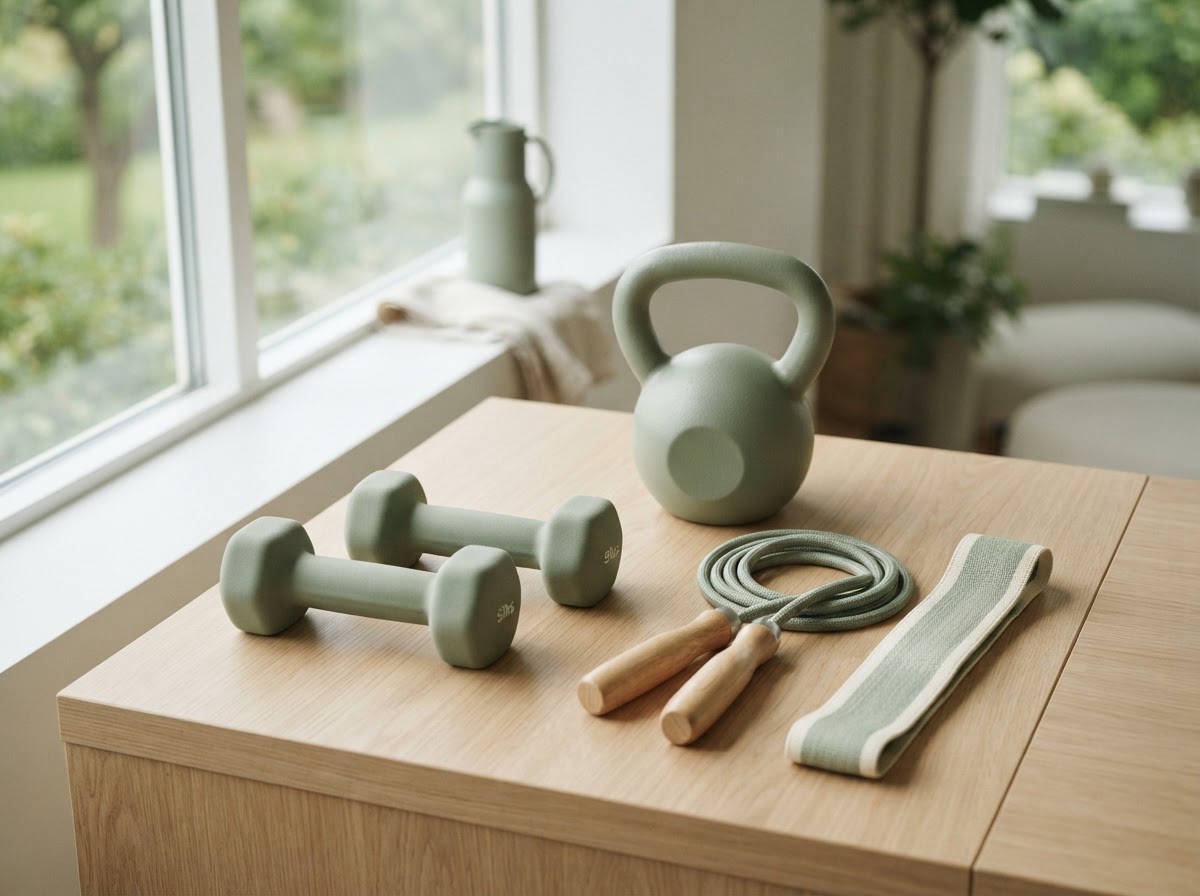
It is possible to exercise consistently and still leave important physical capacities untrained. A routine built entirely around cardio may improve endurance without fully protecting strength. Strength work alone may not train the speed, balance, or joint range that real life asks us to use. That is why a complete plan thinks about movement through five complementary pillars: strength, cardiovascular endurance, power and speed, mobility and flexibility, and balance and coordination.
Strength: producing force
Strength is the ability of muscle to create force against resistance. It supports daily function, muscular fitness, bone-loading stimulus, and the capacity to keep doing hard things as you age.
It looks like squats, presses, pulls, deadlifts, carries, machines, bands, and body-weight resistance.
Cardiovascular endurance: sustaining work
Endurance reflects how well the heart, lungs, circulation, and working muscles support repeated activity. It builds the ability to move longer with less fatigue and is central to cardiometabolic health.
It looks like walking, running, cycling, swimming, rowing, Zone 2 work, and longer conditioning.
Power and speed: force, quickly
Power combines force with speed. It supports the ability to accelerate, react, climb, jump, catch yourself, and move decisively. Because power is highly individual, quality and appropriate progression matter more than intensity for its own sake.
It looks like sprints, low jumps, medicine-ball throws, explosive lifts, quick step-ups, and agility work.
Mobility and flexibility: usable range
Flexibility describes how tissues lengthen; mobility describes how well you can actively control a joint through its available range. Together, they support efficient positioning, technique, comfort, and movement variety.
It looks like dynamic mobility, stretching, joint-specific work, controlled rotations, and end-range strength.
Balance and coordination: efficient control
Balance and coordination integrate vision, sensation, the inner ear, timing, and muscular response. Training them improves body awareness and helps turn strength and mobility into controlled, useful movement.
It looks like single-leg work, stability drills, carries, athletic movement, reactive steps, and changes of direction.
“The goal is not to become excellent at exercise. The goal is to stay capable in life. I want movement to support the bigger picture: strength for independence, endurance for energy, power for responsiveness, mobility for options, and balance for confidence. When all five pillars are represented, exercise becomes a long-term investment in how well you function—not simply what you can do in the gym.”
Clinical references
- U.S. Department of Health and Human Services: Physical Activity Guidelines for Americans
- CDC: Adult Physical Activity Guidelines
- CDC: What Counts as Physical Activity for Adults
- American College of Sports Medicine: Exercise Testing and Prescription Overview
- Guizelini et al.: Resistance Training, Strength, and Rate of Force Development
- Systematic Review: Strength and Balance Outcomes in Middle-Aged Adults
Key takeaways
- A complete plan trains strength, endurance, power, mobility, and balance.
- Several pillars can live inside the same session anchored around strength and cardio.
- The dose should be personal: match the challenge to the individual, not a copied routine.
Educational only. Not medical advice. This article does not determine eligibility, diagnose, prescribe, change medication use, approve refills, or replace a visit with a licensed clinician.
Have a non-urgent personal question? Book a Wellness Lab visit to discuss your care with Danielle Johnson, FNP-C.
Book a Wellness Lab visitRelated Wellness Lab articles
Can GLP-1 Support Healthier Aging?
What semaglutide studies in specific populations may tell us about heart, kidney, metabolic, and physical-function outcomes — and why muscle matters.
World Wellness Weekend 2026: Sleep, Nutrition, Vitality, Serenity & Solidarity
The 10th annual World Wellness Weekend brought 190 countries together around five connected pillars. Wellness is not one habit — it is a system where sleep, movement, nutrition, stress regulation, and connection support each other.

The September Skin Brief: SNAP-8 And GHK-Cu For Expression Lines And Skin Quality
SNAP-8 is a topical cosmetic peptide used in formulas for expression-prone areas, and it may pair with GHK-Cu when the conversation is smoother-looking skin and a more polished routine. Two peptides, two different roles.