The September Skin Brief: SNAP-8 And GHK-Cu For Expression Lines And Skin Quality
Newsletter issue · 2026-09-15
SNAP-8 is a topical cosmetic peptide used in formulas for expression-prone areas, and it may pair with GHK-Cu when the conversation is smoother-looking skin and a more polished routine. Two peptides, two different roles.
By Wellness Lab.
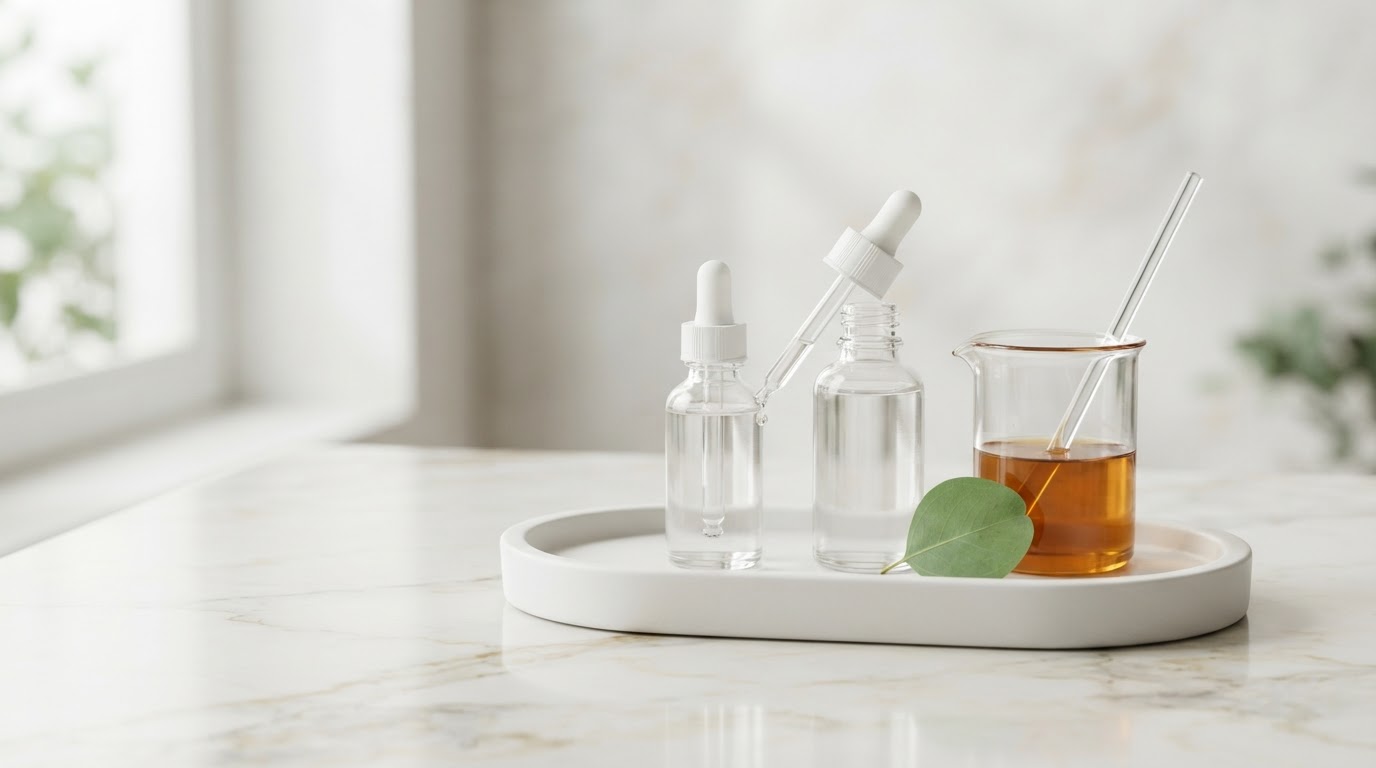
SNAP-8 is the focused part of the skin conversation — a topical cosmetic peptide used in formulas for expression-prone areas, the places where smiling, squinting, and everyday movement can show up over time. The goal is not to make skin care feel complicated. It is a smaller add-on that may pair well with GHK-Cu when the conversation is smoother-looking skin and a more polished routine.
Where SNAP-8 fits in a skin routine
The little lines from life: smiling, squinting, focusing, and daily expression can leave patterns over time. SNAP-8 is used topically in that conversation, applied to expression-prone areas rather than as a full-surface reset.
A focused layer: GHK-Cu speaks to the bigger skin-quality picture, while SNAP-8 gives the routine a more targeted expression-area lane. Pairing them lets the routine address both the broad quality of skin and the narrower look of fine expression lines.
Simple, steady support: the intent is not dramatic or overnight change. It is a thoughtful topical option when smoother-looking skin is the goal, added to a routine rather than replacing its foundations.
Two peptides, different roles
GHK-Cu is a naturally occurring copper-binding tripeptide studied in connection with extracellular-matrix signaling, collagen and glycosaminoglycan synthesis, tissue remodeling, and the follicle environment. In a skin routine, it represents the broader skin-quality support conversation.
SNAP-8 is a topical cosmetic peptide discussed for expression-prone areas and the look of fine lines. Research maturity and intended use differ between compounds, and biological familiarity does not establish safety or superiority. Peptides can themselves be pharmaceuticals, and any peptide option should be reviewed clinically before use.
That is the simple idea: GHK-Cu for the bigger skin-quality picture, SNAP-8 for a narrower expression-line focus. The right combination, if any, depends on your goals, history, current routine, and clinical appropriateness.
“Good skin care starts with understanding the role of each ingredient. SNAP-8 and GHK-Cu bring different goals to the same skin-quality conversation. We’ll help you understand the options, review your priorities, and determine whether the topical or one of the September protocols may be an appropriate fit.”
Key takeaways
- SNAP-8 is a topical cosmetic peptide for expression-prone areas; GHK-Cu supports the broader skin-quality picture.
- Research maturity and intended use differ between compounds; familiarity does not establish safety or superiority.
- Any peptide option belongs in a clinician-guided routine reviewed against your goals and history.
Educational only and not individualized medical advice. Exact products, vehicles, ingredients, and application instructions vary and should be confirmed during clinical review. Peptides can themselves be pharmaceuticals, and research maturity varies by compound and outcome. Questions about prescriptions, dosing, refills, application, or your personal history should be directed to a licensed clinician.
Have a non-urgent personal question? Book a Wellness Lab visit to discuss your care with Danielle Johnson, FNP-C.
Book a Wellness Lab visitRelated Wellness Lab articles

Can GLP-1 Support Healthier Aging?
What semaglutide studies in specific populations may tell us about heart, kidney, metabolic, and physical-function outcomes — and why muscle matters.
Would You Know Where Your Peptides Came From?
A circulating investigation has put peptide sourcing in the spotlight. What the label cannot tell you — and the five sourcing questions every patient deserves to have answered.

World Mental Health Day: A Calmer Mind, A Clearer Day, And The Limits Of Peptide Research
World Mental Health Day is a reminder that mental health is health. Selank and Semax have been studied in limited human research, but the evidence base remains limited and clinical benefit is not established — they are not a substitute for psychiatric care.