The Health Markers Men Should Know Before They Feel Different
Newsletter issue · 2026-11-11
A proactive look at hormones, heart health, metabolism, strength, sleep, and the screening conversations that matter.
By Wellness Lab.
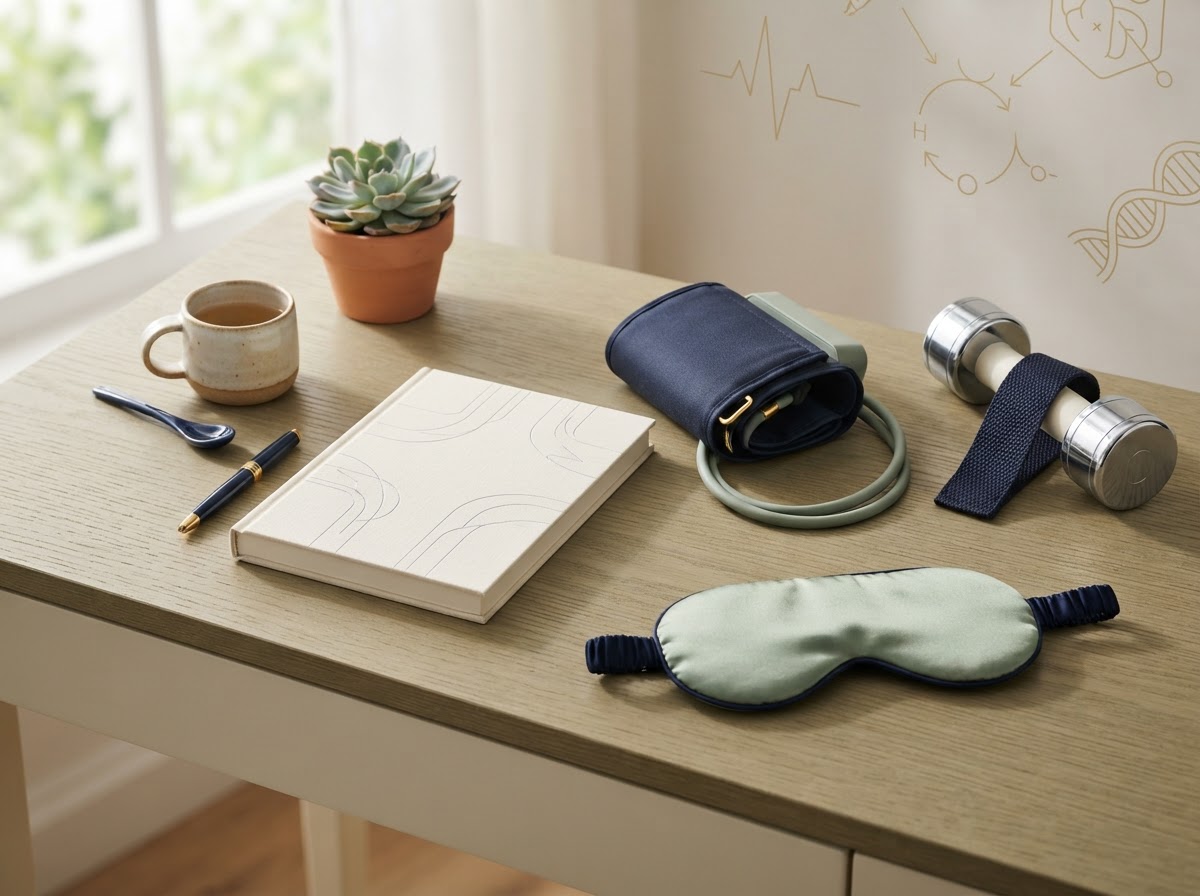
Many men wait for a clear symptom before looking closely at their health. But blood pressure, glucose regulation, cholesterol patterns, sleep quality, muscle loss, and hormone changes can shift quietly. Movember is a useful reminder: feeling "fine" is not the same as having a complete picture. Proactive care gives us the chance to identify patterns, connect them to how you feel and function, and make a thoughtful plan earlier. Men's health is not one hormone, one symptom, or one lab result. The value is in the pattern.
Six areas that tell a more complete health story
These areas overlap. That is why a good review looks for relationships instead of interpreting each number in isolation.
- Cardiometabolic health: blood pressure, waist and body-composition trends, glucose or A1c, and a complete lipid picture help clarify long-term cardiovascular and metabolic risk.
- Testosterone — in context: symptoms, properly timed and repeated testing, medication history, sleep, body composition, and possible causes all matter. One result should not tell the entire story.
- Muscle & strength: strength and lean mass support mobility, glucose regulation, resilience, and healthy aging. Performance changes can be clinically useful information — not simply a fitness concern.
- Sleep & recovery: fatigue, poor recovery, snoring, disrupted sleep, and daytime sleepiness deserve context. Sleep can influence energy, weight, mood, performance, and hormone health.
- Mental health: persistent stress, irritability, low mood, loss of interest, or feeling unlike yourself are health concerns — not character flaws. They belong in a complete clinical conversation.
- Screening conversations: prostate screening decisions should reflect age, individual risk, preferences, and shared decision-making. New testicular changes should be evaluated promptly.
What a thoughtful men's-health review may include
Testing should answer a clinical question. The exact panel varies, but a review may bring together:
- History + symptoms: energy, mood, sleep, sexual health, performance, medications, supplements, and family history.
- Metabolic + cardiovascular markers: blood pressure, glucose or A1c, lipids, kidney and liver function, and body-composition trends.
- Hormone evaluation when appropriate: morning testosterone testing, repeated when needed, with additional markers selected from the clinical picture.
- Age- and risk-informed screening: a personalized conversation about prostate health and other preventive screening — not a one-size-fits-all checklist.
Testosterone therapy with ongoing provider guidance
For clinically eligible men. Treatment begins with an appropriate evaluation and is monitored over time. Eligibility, benefits, risks, fertility goals, and follow-up are individualized.
The goal is not to chase a number
“I want men to have a place where energy, sleep, strength, mood, sexual health, and long-term risk can be discussed together. The longer we know your story, the better we can recognize when the pattern changes.”
Know the pattern before it becomes the problem
Book a Wellness Review to discuss symptoms, risk factors, lab history, goals, and the next most useful step.
Clinical references
Key takeaways
- Feeling "fine" is not the same as having a complete health picture; blood pressure, glucose, cholesterol, sleep, muscle, and hormones can shift quietly.
- Men's health is not one hormone, one symptom, or one lab result — the value is in the pattern.
- A thoughtful review looks for relationships across cardiometabolic, hormone, muscle, sleep, mental-health, and screening areas.
- Testosterone belongs in context: symptoms, timed and repeated testing, history, sleep, body composition, and possible causes.
- Testosterone therapy is appropriate only for clinically eligible men after evaluation and requires ongoing monitoring.
General education only; not individualized medical advice. Evaluation, laboratory testing, screening, and treatment decisions depend on symptoms, history, risk, medications, fertility goals, and clinical findings. Testosterone therapy is appropriate only for clinically eligible patients after evaluation and requires ongoing monitoring. For non-urgent personal treatment discussions, book a visit. For routine refill, order, or portal administration and current medication-safety concerns, use the Care Line.
Have a non-urgent personal question? Book a Wellness Lab visit to discuss your care with Danielle Johnson, FNP-C.
Book a Wellness Lab visitText Care Line at (512) 856-9612 for routine refill, order, or portal administration and current medication-safety questions.
Related Wellness Lab articles

No Tricks—Just Smarter Health
Five wellness habits that may look productive but miss the clinical point. The real question is whether they are moving your health in the right direction.

Wide Awake At 3 AM? Start With What Woke You
Perimenopause and menopause can influence temperature regulation, sleep continuity, mood, and recovery. The more useful question is not only how to sleep more — it is what your body is signaling when you wake.

World Mental Health Day: A Calmer Mind, A Clearer Day, And The Limits Of Peptide Research
World Mental Health Day is a reminder that mental health is health. Selank and Semax have been studied in limited human research, but the evidence base remains limited and clinical benefit is not established — they are not a substitute for psychiatric care.