Not All Peptides Are Created Equal
A Wellness Lab newsletter on peptide sourcing, sterility, potency, oversight, and why clinical context matters.
By Wellness Lab. Clinically reviewed by Danielle Johnson, FNP-C before publication.
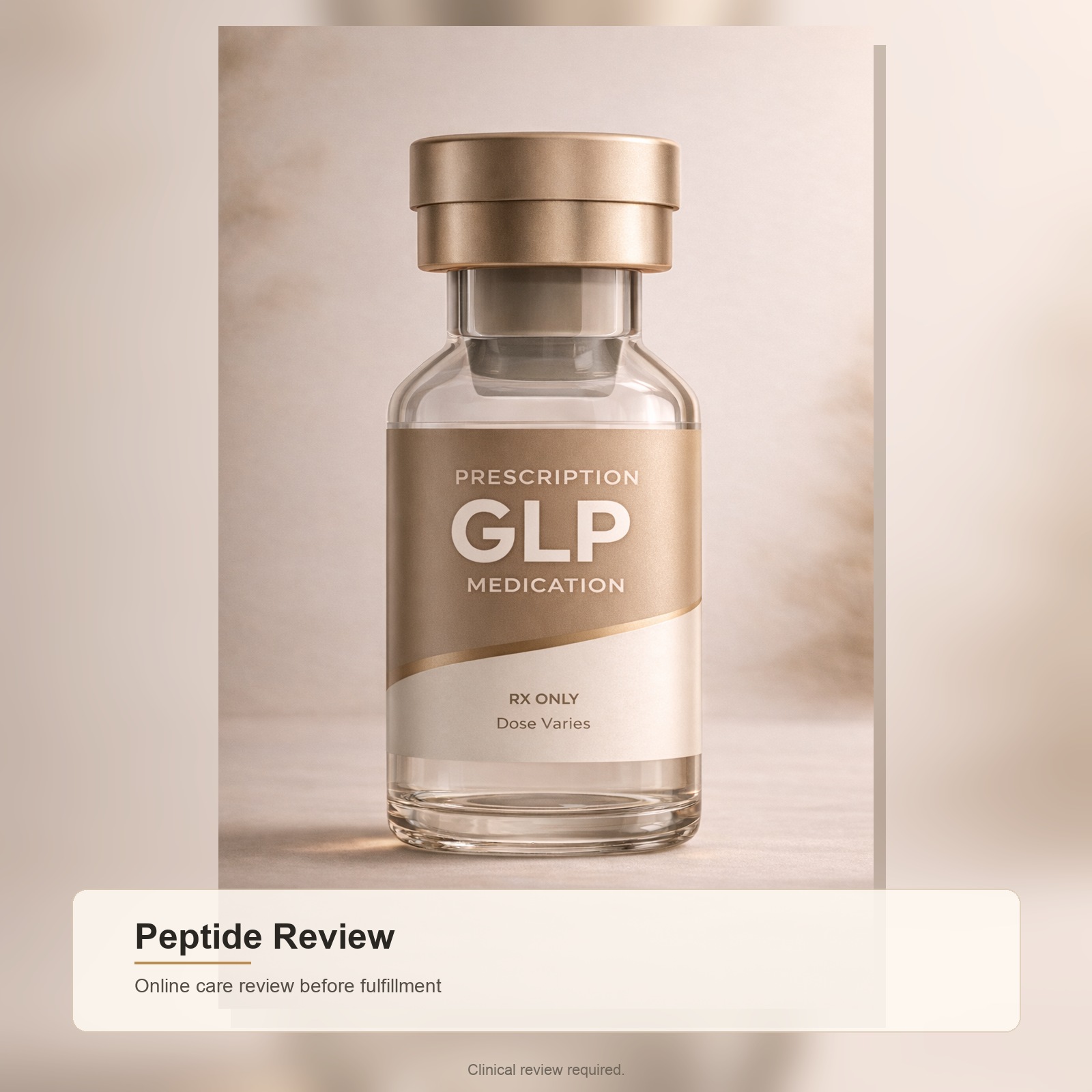
Peptide therapy is not just about the name of the peptide. It is about where it comes from, how it is prepared, whether it is appropriate for the patient, and who is overseeing the process. Patients often compare peptides by name or price alone, which misses the more important questions.
Peptide quality is more than a label
Peptide conversations should include sourcing, sterility, potency, storage, handling, pharmacy oversight, clinical context, and patient-specific safety factors.
A product name alone does not answer whether a peptide is appropriate, how it should be used, or whether a concern needs urgent review.
Why quality matters
Source, purity, sterility, potency, handling, individualized review, contraindications, interactions, pregnancy and safety history, and follow-up all change the conversation.
Two products with the same name are not automatically the same in quality, preparation, or appropriateness. That is why a price-only comparison can be misleading.
Why oversight matters
Wellness Lab frames peptide education around quality control and clinical review because patients deserve more than trend-driven recommendations.
The safer question is not only what a peptide is called, but where it comes from, why it is being considered, and whether the patient's context supports that discussion.
A better starting question
Instead of "Which peptide?", ask: what is the goal, what is the safety context, and what source and follow-up process support that decision?
That turns a trend into a more useful clinical conversation and keeps education separate from patient-specific recommendations.
Key takeaways
- Peptide sourcing, sterility, potency, and oversight matter.
- Patient-specific peptide questions require clinical review.
- Current symptoms or product-condition questions need the current-safety route first.
Educational only. Not medical advice. This article does not determine eligibility, diagnose, prescribe, change medication use, approve refills, or replace a visit with a licensed clinician.
Have a non-urgent personal question? Book a Wellness Lab visit to discuss your care with Danielle Johnson, FNP-C.
Book a Wellness Lab visitRelated Wellness Lab articles

Would You Know Where Your Peptides Came From?
A circulating investigation has put peptide sourcing in the spotlight. What the label cannot tell you — and the five sourcing questions every patient deserves to have answered.

World Mental Health Day: A Calmer Mind, A Clearer Day, And The Limits Of Peptide Research
World Mental Health Day is a reminder that mental health is health. Selank and Semax have been studied in limited human research, but the evidence base remains limited and clinical benefit is not established — they are not a substitute for psychiatric care.
The September Skin Brief: SNAP-8 And GHK-Cu For Expression Lines And Skin Quality
SNAP-8 is a topical cosmetic peptide used in formulas for expression-prone areas, and it may pair with GHK-Cu when the conversation is smoother-looking skin and a more polished routine. Two peptides, two different roles.